
A reader messaged me last month asking whether fake ivy vines actually look real once they're up, or if they read as obviously plastic the second you walk past them. Short answer: it depends on what you're hanging and where — and after going down this rabbit hole for three different rooms in our own house, plus comparing notes with readers using them for entirely different reasons, I have a lot more to say than "yes, buy them."
So instead of one tidy before-and-after, this is five small stories about five different reasons faux greenery ends up on a wall, a railing, or a doorway — and what actually matters depending on which one you are.
What's Actually in These Vines, and Why It Matters
Before the stories, a quick note on construction, because this is where cheap versions fall apart — literally. The leaves on a good set are silk, not stiff vinyl, which is why they catch light softly instead of with that telltale plastic shine. The stems underneath are a flexible plastic wire, which is what lets you wrap, bend, and reshape a strand around a railing instead of it springing back to straight the second you let go.
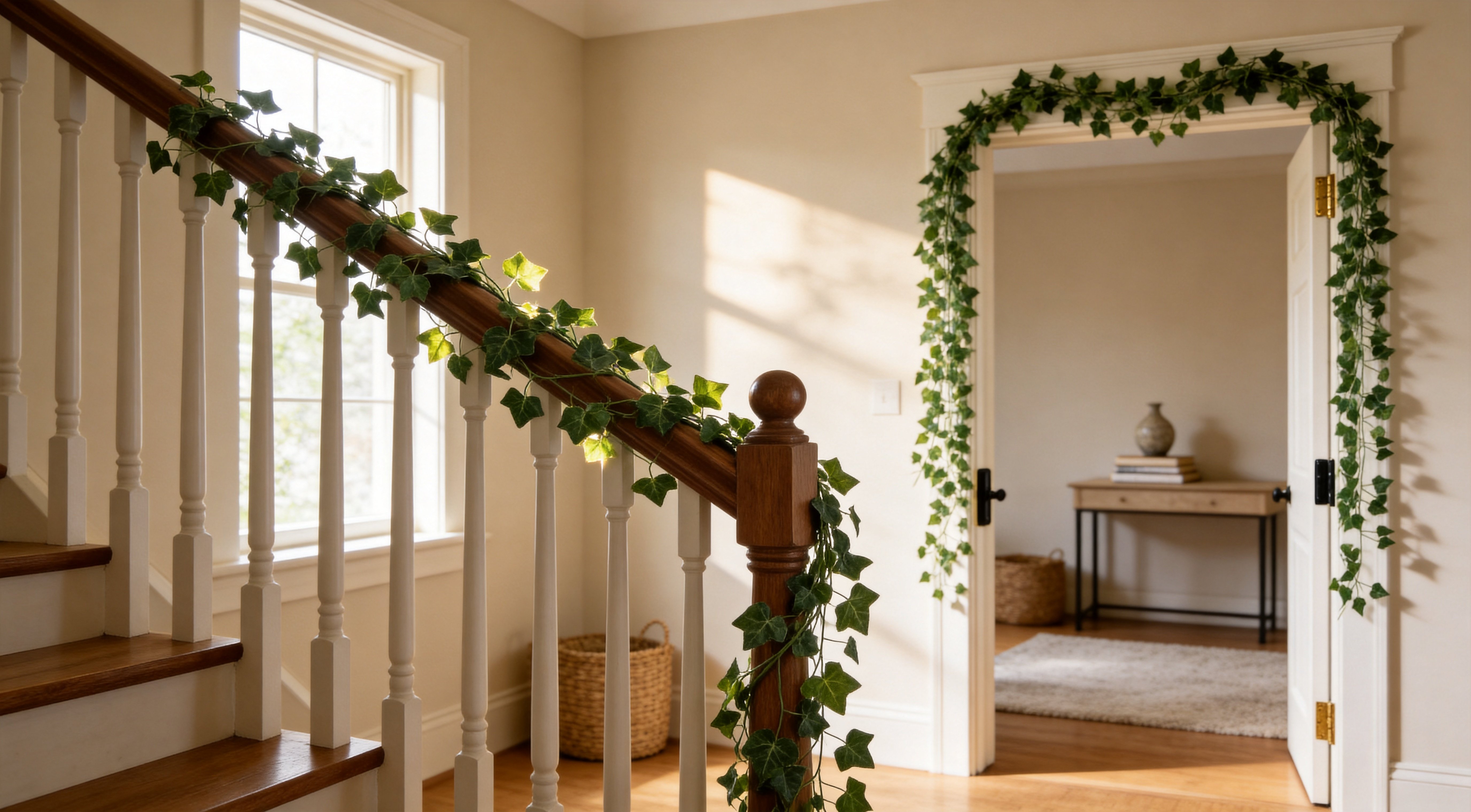
That combination matters for faux plants that look real: silk leaves photograph and read well up close indoors, under lamp light or string lights, while the sturdier plastic stem core holds up to wind and sun exposure outdoors better than the floppier, thinner versions sold in bulk bins. If you've ever bought a $4 garland that shed leaves within a week or smelled like a tire for a month, that's usually a stem-and-leaf quality issue, not a faux-versus-real issue.
One genuinely useful, low-effort fix: fresh off the truck, these do have a faint plastic smell, like most new vinyl products. An afternoon in the garage or on a covered porch airs that out almost completely — and unlike some bargain garlands, it doesn't come back once the box is opened.
I've also handled the kind of faux ivy that ends up in seasonal clearance bins — the kind with shiny, almost waxy leaves and a stem so thin it kinks the first time you bend it around a post. Side by side, the difference is obvious in about ten seconds: the cheaper version catches overhead light in a hard, plasticky way, while the better-made strand scatters it more like real foliage does. The color holds up the same way. A dollar-store green tends to be flat and slightly yellow under daylight; a true, deeper green reads more believable both outdoors and under indoor lamps, which is part of why one reader's neighbor genuinely mistook hers for a climbing plant in progress.

A Note on Color and Light
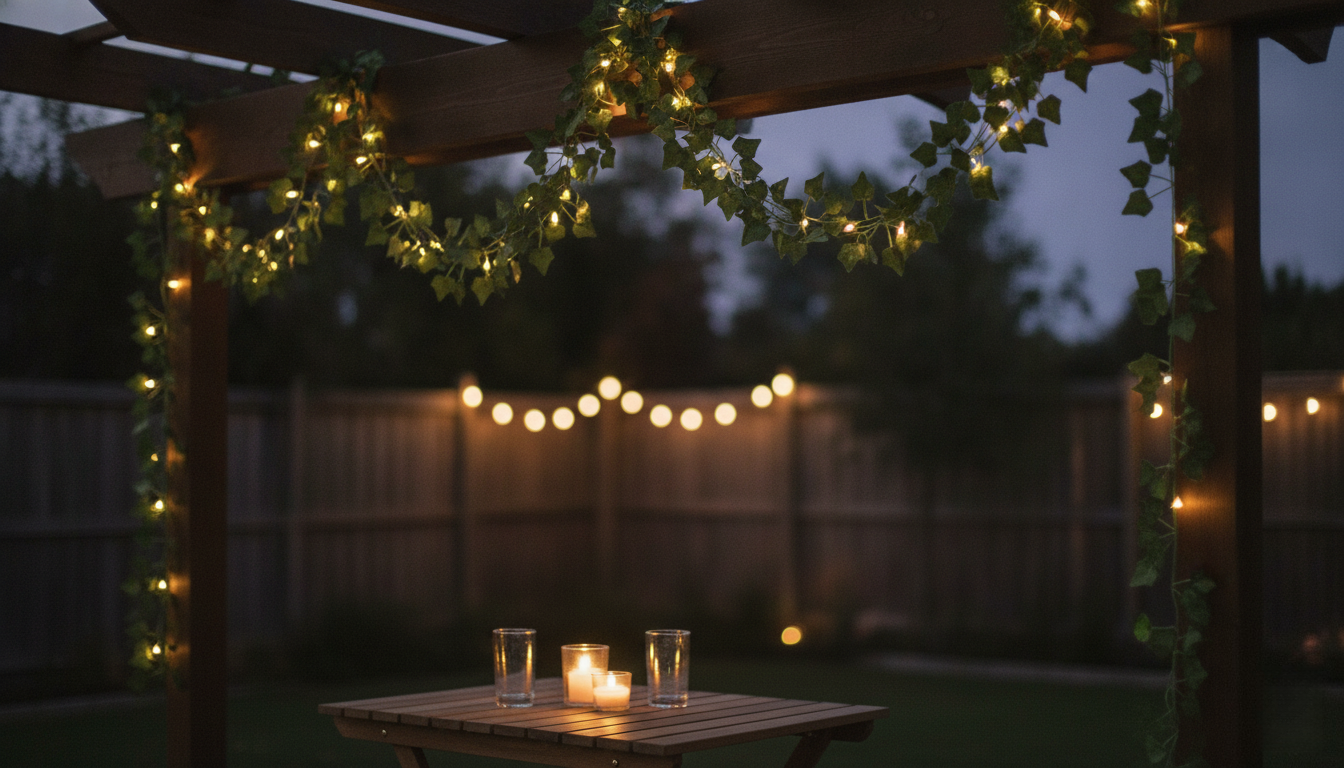
Right now this particular style comes in one true green, which turns out to be the more versatile choice rather than a limitation — it matches both a rustic, garden-style porch and a more polished indoor entryway without clashing with whatever else is already on the wall. Paired with warm white string lights for an evening event, the green deepens rather than washing out, which isn't true of every shade of faux greenery on the market.
Five Reasons, Five Different Walls
The Renter Who Can't Drill Anything
One reader is six months into a lease with a no-holes clause and a landlord who still does surprise inspections. Real climbing plants need something to climb — a trellis, hooks, anchors. Faux vines just need a railing, a curtain rod, or a doorframe to loop over. Curb appeal ideas for renters almost always come with restrictions; this is one of the few that comes with none.
The New Parent Who Wants Zero Risk
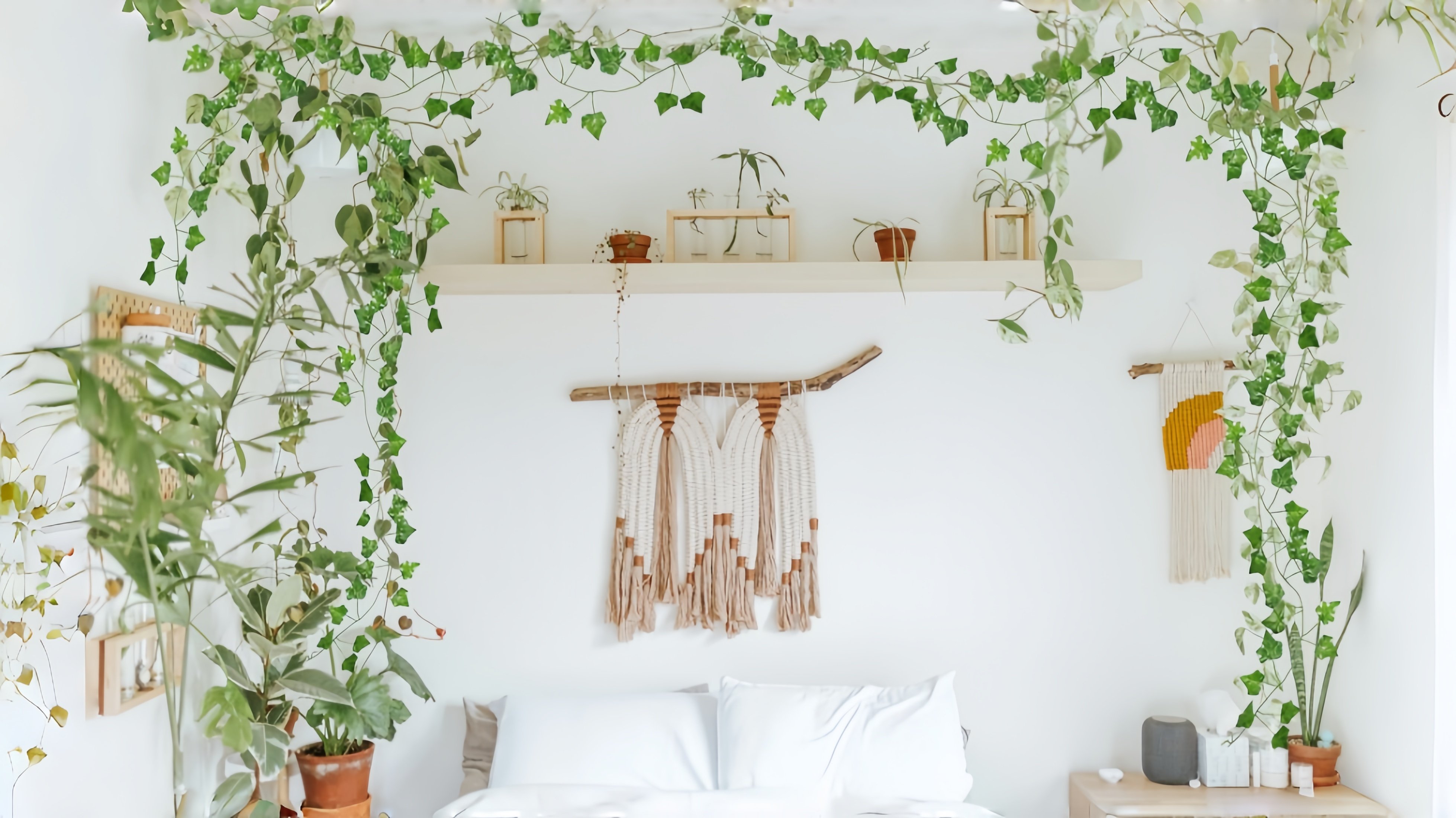
Another reader is decorating a nursery and specifically wanted greenery without soil, fertilizer, or anything a crawling baby might pull into their mouth. Nursery decor with faux plants solves a real safety question, not just an aesthetic one — a strand along a high shelf gives the room warmth without anything that needs monitoring.
The Self-Described Plant Killer
A third reader described her track record with real plants as "a graveyard," and just wanted her porch to look like someone lived there and cared, without the guilt spiral of another dead fern. Plants that survive neglect, in her case, meant skipping the soil question entirely.
The Weekend Host Running a Short-Term Rental
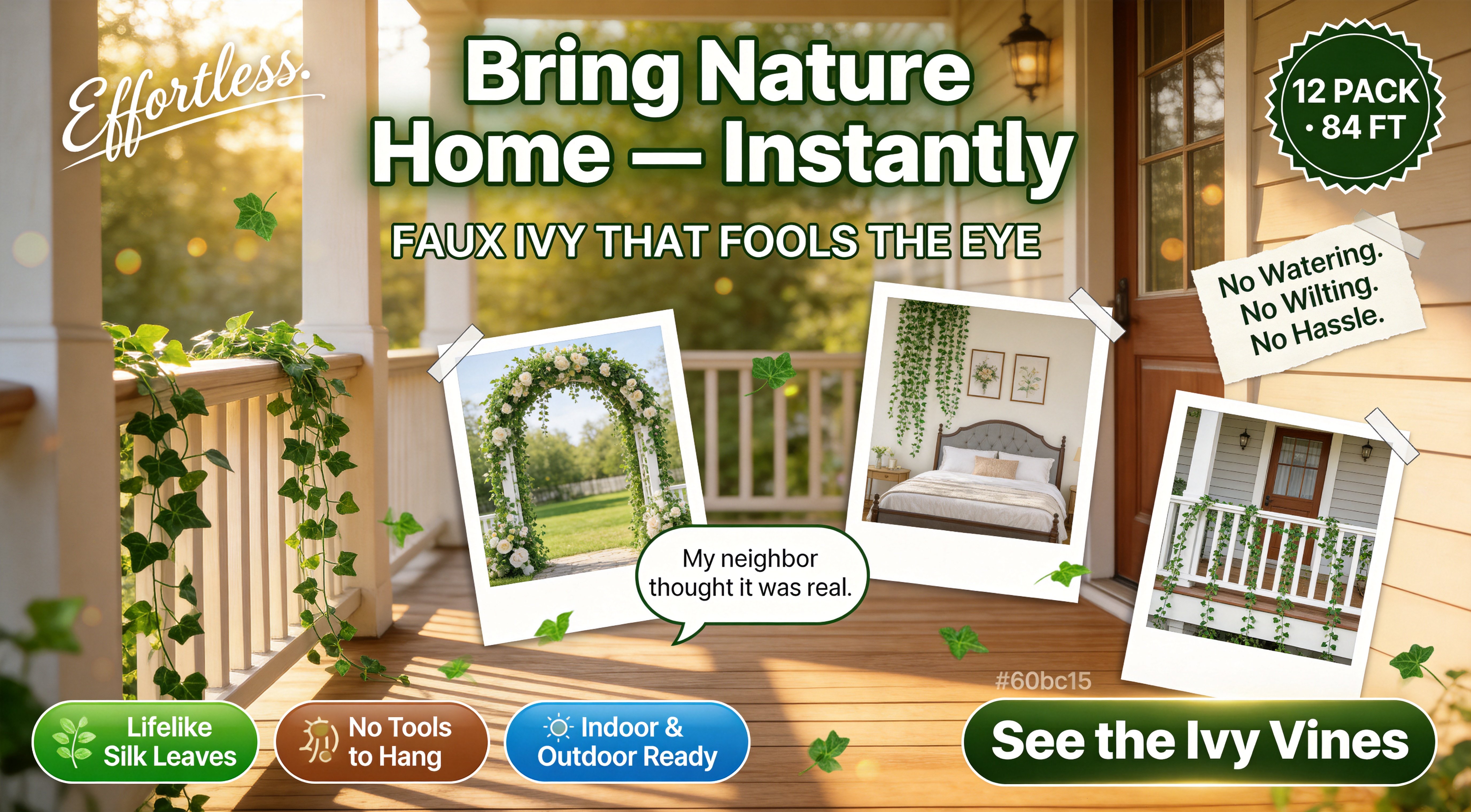
A reader who hosts her guest cottage on weekends needed her porch to photograph well in listing photos year-round, regardless of season or how often she's actually on-site to water anything. For a front porch decorating ideas project tied to bookings rather than personal taste, consistency mattered more than anything else — the porch needed to look the same in every photo, every month.
The One Hosting a Backyard Wedding
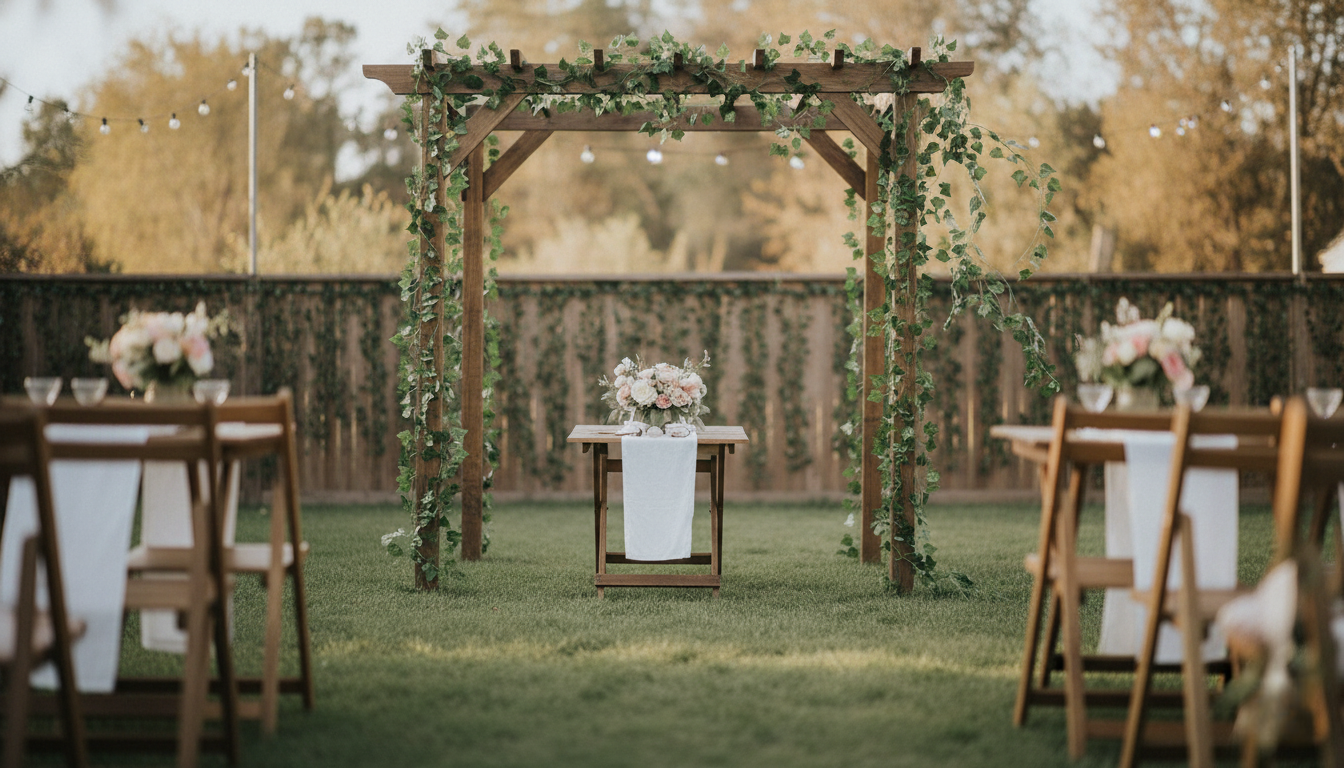
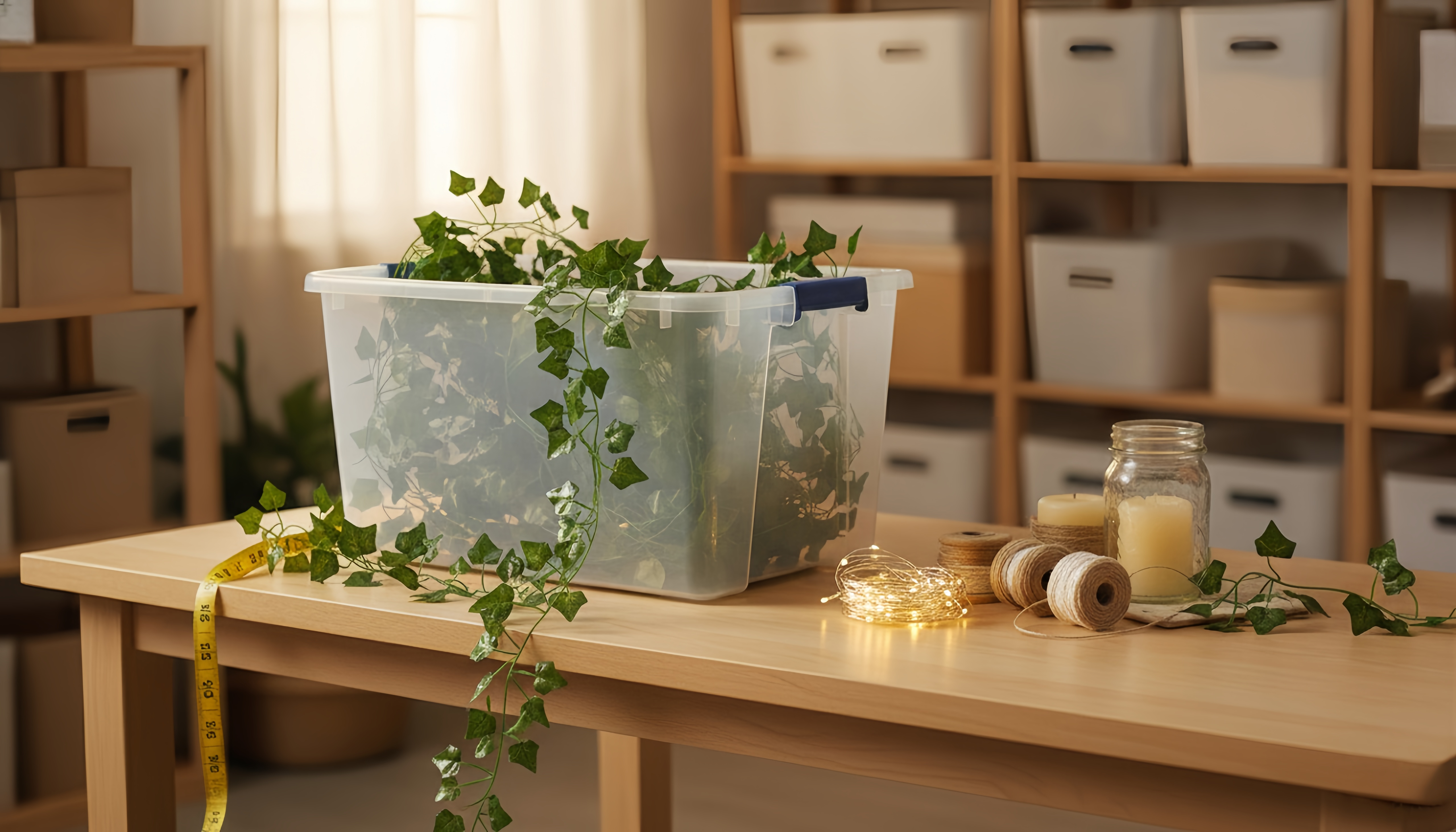
The fifth story is mine, partly. We hosted a small backyard wedding shower last spring, and rather than buy fresh greenery that would wilt by the reception, we wrapped strands around the arbor and down the fence line. They came down the next morning and went straight back into a storage bin for the next event — a Christmas mantle the following winter, then a kid's birthday arch after that. One purchase, three completely different occasions.
Where They Actually Go, and What Changes by Location
Indoor and outdoor spots ask for slightly different things from the same strand, so here's how I'd think through placement rather than treating every wall the same.
Location | What to Watch For | Best For |
|---|---|---|
Front porch railing | Wind can loosen loose wraps over time; check every season | Front porch decorating ideas, renters, weekend hosts |
Balcony rail | Direct sun fades color faster here than almost anywhere else | Small-space layering over a young container garden |
Entryway or stair rail | Indoor lighting shows off the silk leaves best | First-impression spots, photographed often |
Bedroom wall behind headboard | Avoid stretching tightly — droop reads more natural | Soft texture without a full gallery wall commitment |
Holiday mantle or doorway | Pairs easily with string lights for the bulb sockets already woven into most sets | Christmas, fall, seasonal swaps |
Wedding arbor or party arch | Reusable across multiple events if stored flat afterward | One-time setups that need to look fresh, not flowers that wilt |
Storefront window or office partition | Holds shape well for structured, repeated displays | Commercial spaces that need consistency, not seasonal change |
The Honest Math on Cost and Coverage
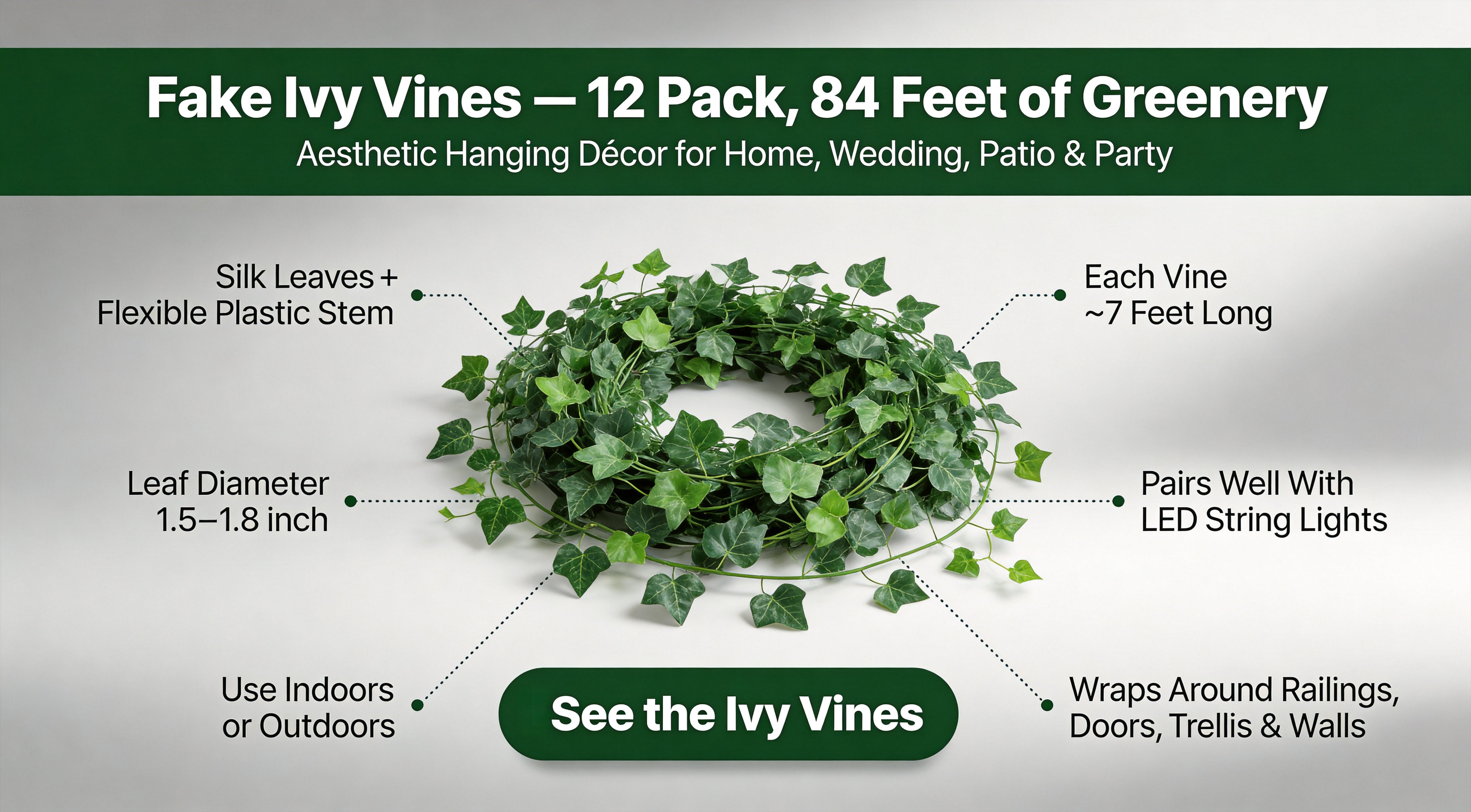
A twelve-strand set running close to 84 feet total works out to roughly the same cost as two or three bundles of fresh-cut greenery from a florist — except it doesn't need replacing every two weeks. For anyone weighing is it worth it against buying real garland for a single event, the break-even point is usually the second time you reuse it. Wedding shower, then holiday mantle, then a kid's party arch — that's three uses out of one purchase, which fresh florals simply can't do.
Each strand runs close to seven feet with leaves around an inch and a half across — full enough to wrap a railing twice or stretch the full length of a mantle in one unbroken piece, which matters if you don't want visible seams where two short pieces meet.
A Few Things I'd Tell a Friend Before They Buy
Twist the stem slightly as you hang it instead of laying it perfectly straight — leaves fall at more natural angles that way.
Layer two or three strands loosely rather than stretching one strand tight; it reads fuller and less like a single piece pulled from a box.
If you're pairing with LED lights for a holiday or party setup, weave the light strand in before you hang the vine, not after — it's much easier to thread through gaps you can still see.
Store flat or loosely coiled between uses rather than balled up; tight wire stems can develop a permanent kink that's hard to undo.
FAQ
Do these come in different lengths if I only need a small piece?
Most sets are sold by total footage, so you can choose a smaller pack for a single doorway or a larger one if you're covering a full railing or fence line.
Can I use these around an outdoor fire pit or grill area?
Keep any faux greenery, ivy included, a reasonable distance from open flame or direct heat — the materials aren't flame-resistant, the same as most synthetic decor.
Will the leaves curl or warp in cold weather?
Cold itself doesn't usually damage them, but repeated freeze-thaw cycles combined with direct sun can speed up fading over a few years outdoors.
Is it normal for strands to arrive a little flatter than they look in photos?
Yes — they're compressed for shipping. Gently fluffing and reshaping the leaves by hand after unboxing usually restores the fuller look within a few minutes.
Can I trim a strand if it's longer than the space I'm decorating?
Most stems can be cut with wire cutters at a leaf node without unraveling, though it's worth tucking the cut end behind a leaf so the exposed wire doesn't show.
No feedback yet — submit the first.